From Boone to Honduras: Family Medicine in the Mountains
Emily Moore, DO- PGY3
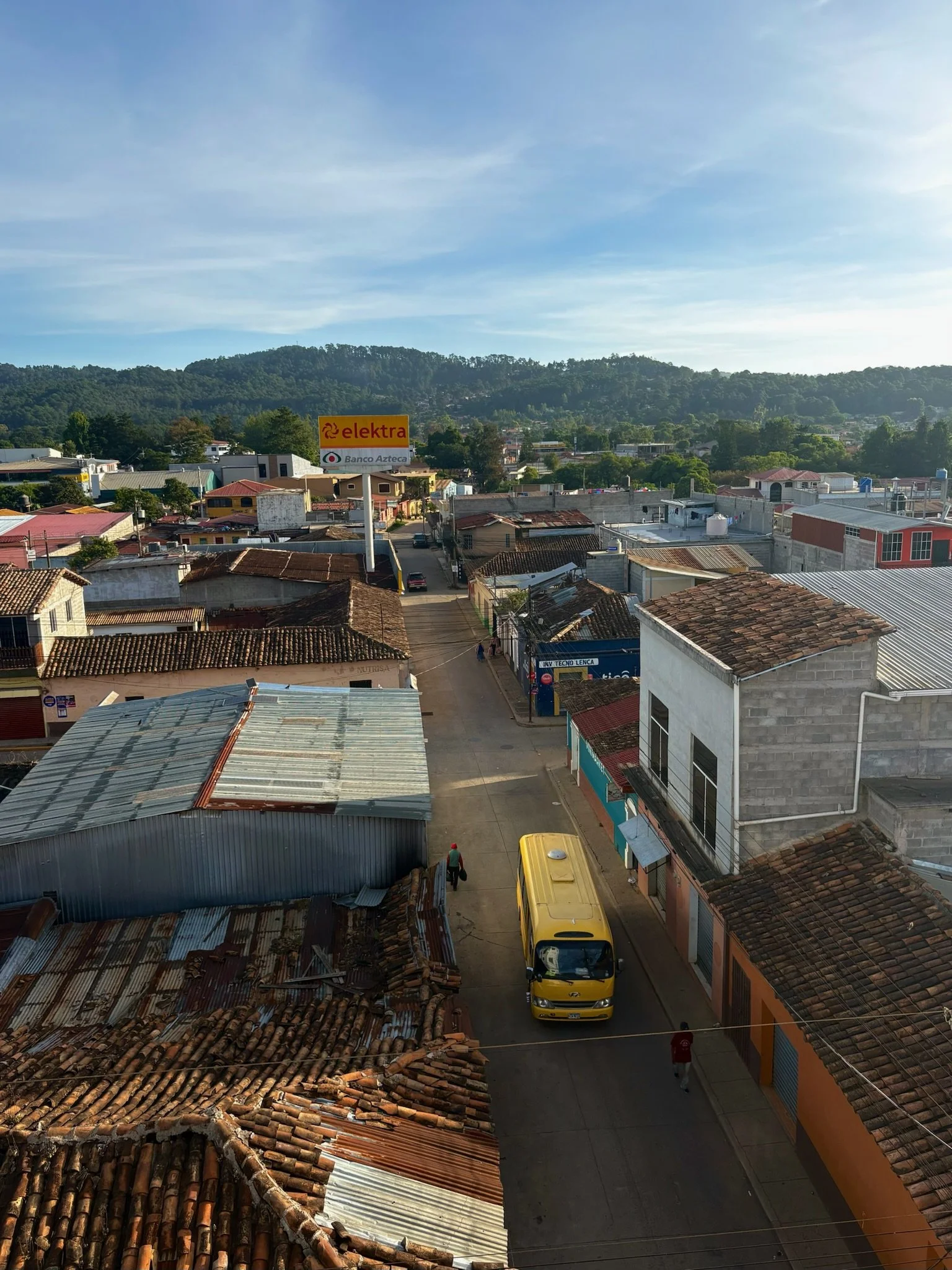
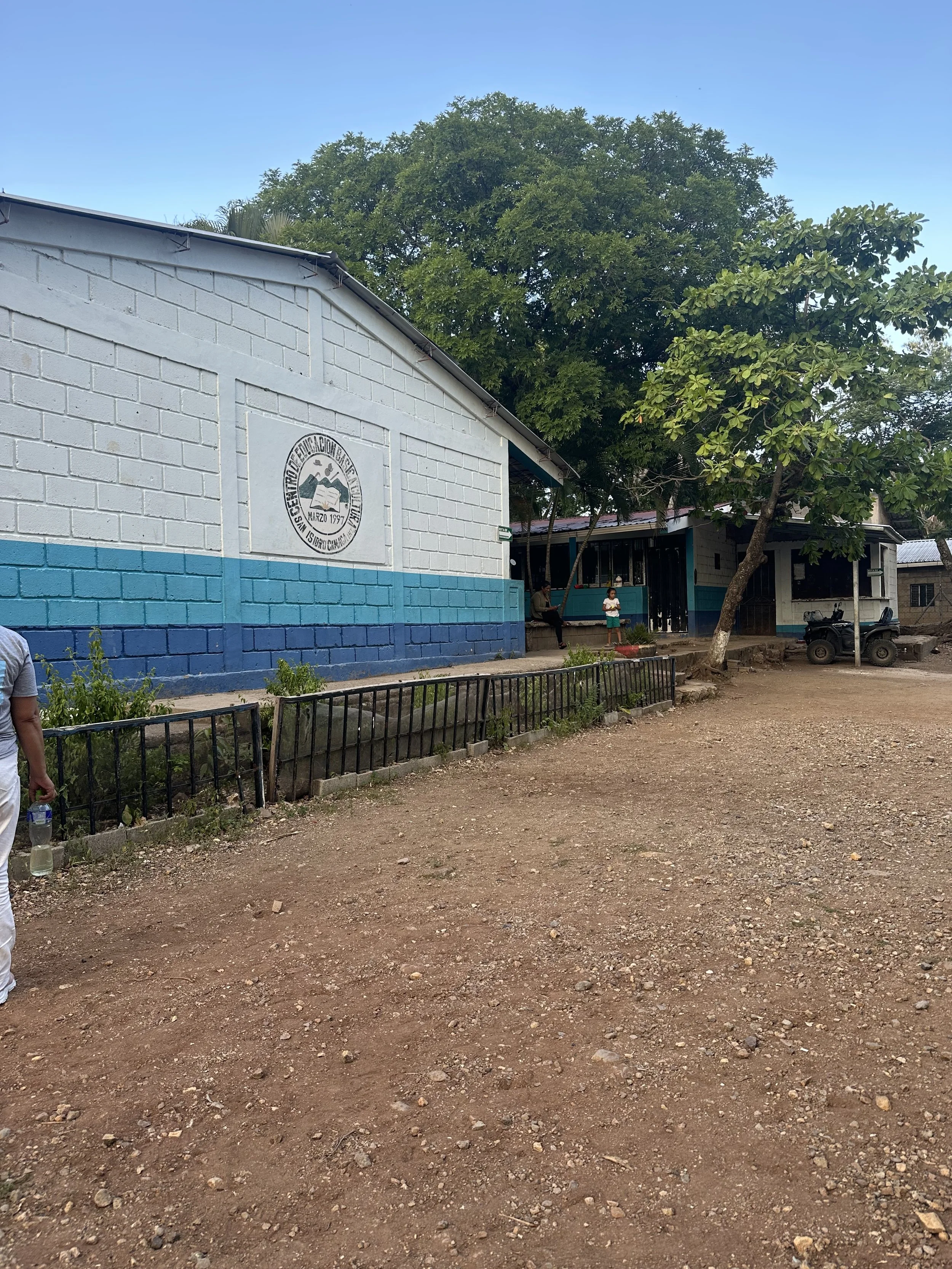
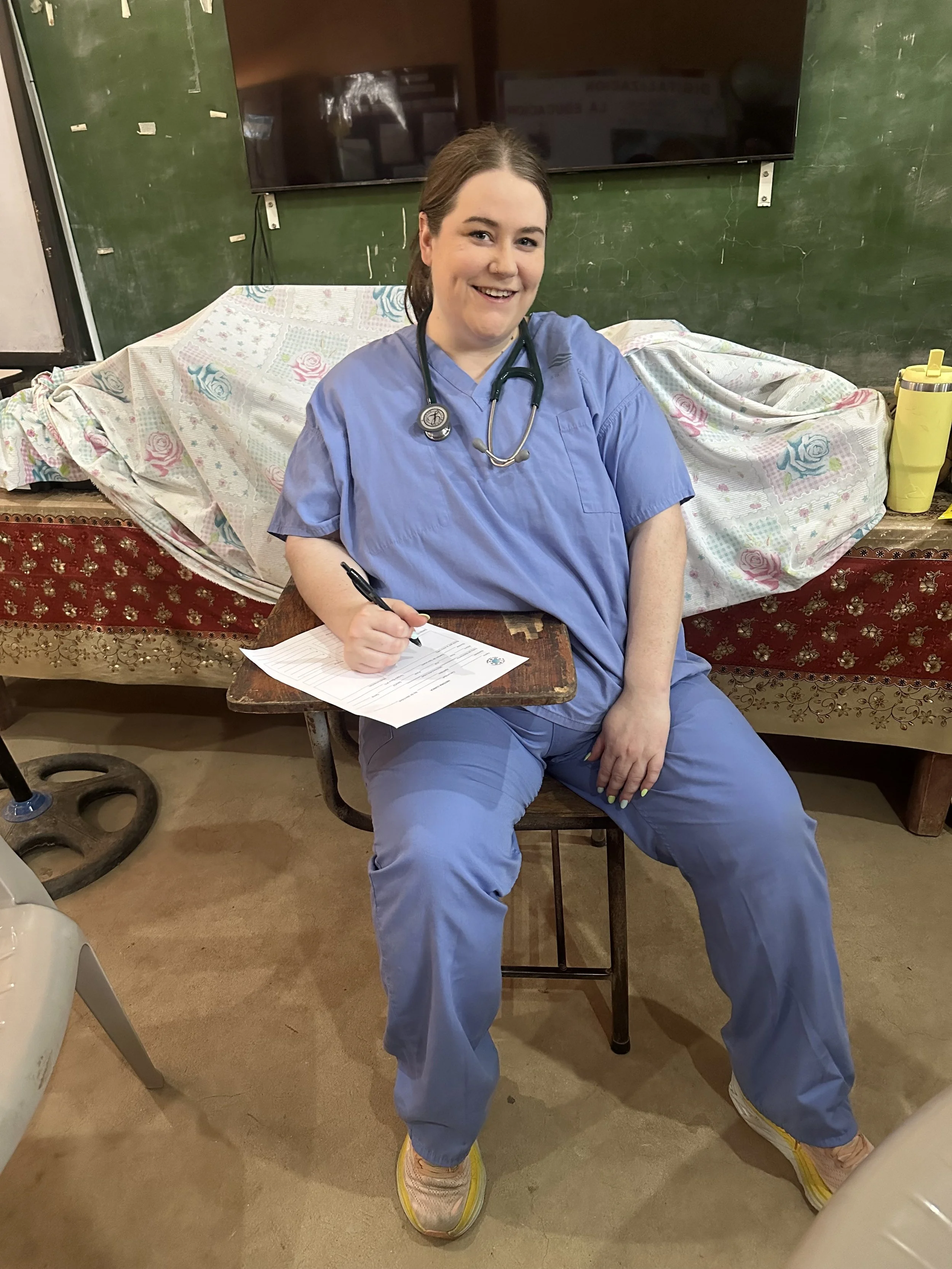
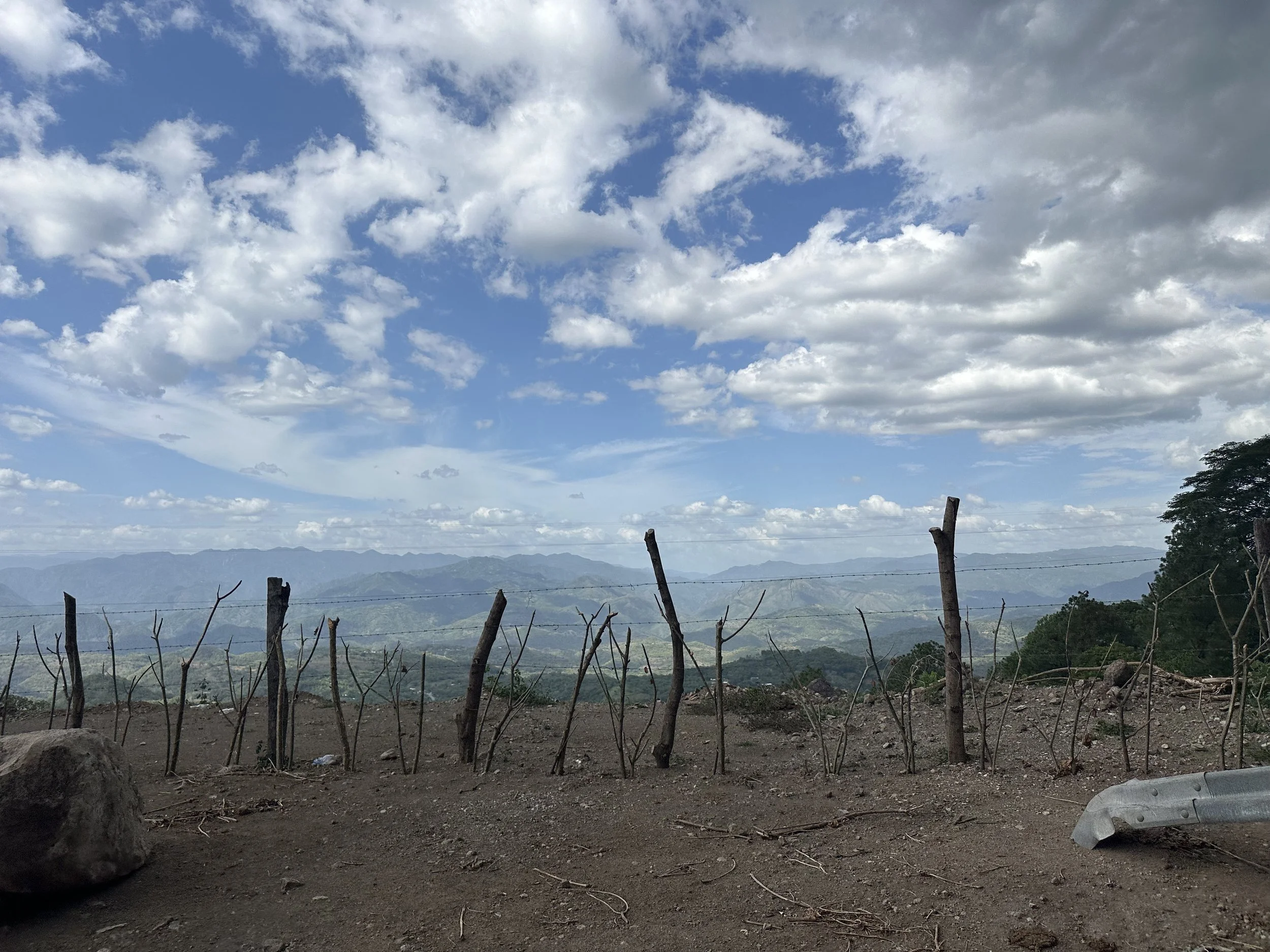
Before medical school, I spent time in rural Nicaragua doing global health research and volunteering in a small mountain hospital. After returning, I completed an MPH in applied epidemiology before going on to medical school. This summer, I returned to Central America, now as a third-year family medicine resident in Honduras.
Within our first week in Honduras, I evaluated unstable angina, managed diabetic emergencies with glucoses in the 500s, and treated a hypertensive emergency - all while practicing about two hours from the nearest hospital. I also diagnosed the brigade’s first case of shingles, removed perhaps the most impressive piece of cerumen I’ve encountered in residency, and used our tiny portable ultrasound to evaluate kidneys and a shoulder injury. An 80-something-year-old woman also became a little frustrated with me when I wouldn’t send her home with a needle and syringe to perform her own knee injections.
There were also rats in clinic. And a bat.
Somewhere in the middle of all of that, I realized how much I was enjoying myself. The medicine itself wasn’t necessarily unusual; the circumstances were. Managing an emergency feels very different when you have limited medications and diagnostics and the nearest hospital is so far away. I found myself making decisions, adapting to what we had, and trusting my own clinical judgment.
I also realized just how different it felt to be here now than it had in Nicaragua. I taught an undergraduate student interested in PA school how to perform a knee injection, had another resident shadow me to learn the flow of primary care, and, as the only DO on the trip, even got to incorporate OMT.
One of my favorite experiences was a home visit to an older woman with significant pain years after a femoral neck fracture. She could barely walk, and her home was difficult to reach even on foot.
I’ve spent a lot of time thinking about what keeps people from accessing healthcare: cost, transportation, distance, language, cultural barriers, and whether care is available at all. But standing at her home made access feel much more literal. What does access mean when someone who can barely walk has to cross steep, muddy, rocky paths before even reaching the nearest road?
I led our team through the entire visit, doing everything from taking her vitals and checking a point-of-care glucose to developing a plan with the resources we had brought with us. I left feeling useful. More than that, I left energized.
A few days later, I had a very different experience.
We traveled to the most isolated community we had visited. Unlike earlier in the week, when diabetes and hypertension were common, I saw almost none of either. But that didn’t mean the community was healthier.
We saw malnutrition, anemia, significant weight loss, and, repeatedly, depression. The rains hadn’t come as expected. Crops were failing, leaving families without enough food to eat or crops to sell. Patients from adults in their 50s to a 13-year-old described profound hopelessness, often accompanied by physical symptoms.
For the first time during the trip, understanding why someone was sick made me feel less capable of helping them. It was hard not to see the circumstances around us reflected in what patients were bringing into the clinic.
I couldn’t prescribe rainfall. I couldn’t make someone’s crops grow. I couldn’t replace the food or income those crops were supposed to provide.
I could recognize depression and offer appropriate treatment, but medication felt incomplete when so much of what these patients needed was not something I could prescribe.
The day before, one of our psychiatry fellows had talked about how people accumulate moral injuries throughout their lives and how physicians are often asked to witness some of that pain - to listen and, for a moment, help carry some of it.
The next day, I understood what he meant. I couldn’t fix my patients’ circumstances, but I could listen and make sure they didn’t have to carry everything alone.
That didn’t make me any less frustrated by what I couldn’t change, but it did change what I considered helpful. Being useful and being able to fix something aren’t always the same thing.
Stewardship has always guided how I approach public and community health. I try to understand what a community needs, use what is already available, and build things that fit naturally into what is already there to continue benefiting people after I’m gone.
Honduras made me think about what that same principle looks like in clinical medicine, especially when “better” doesn’t necessarily mean fixed.
On our final clinic day, instead of setting up another temporary clinic in a school, I worked in the local health center. When our attending became sick early in the day, I unexpectedly found myself stepping into that role. For the rest of the day, residents and students staffed their patients with me, and I supervised procedures and helped guide clinical decisions.
It was fun. And it felt surprisingly natural.
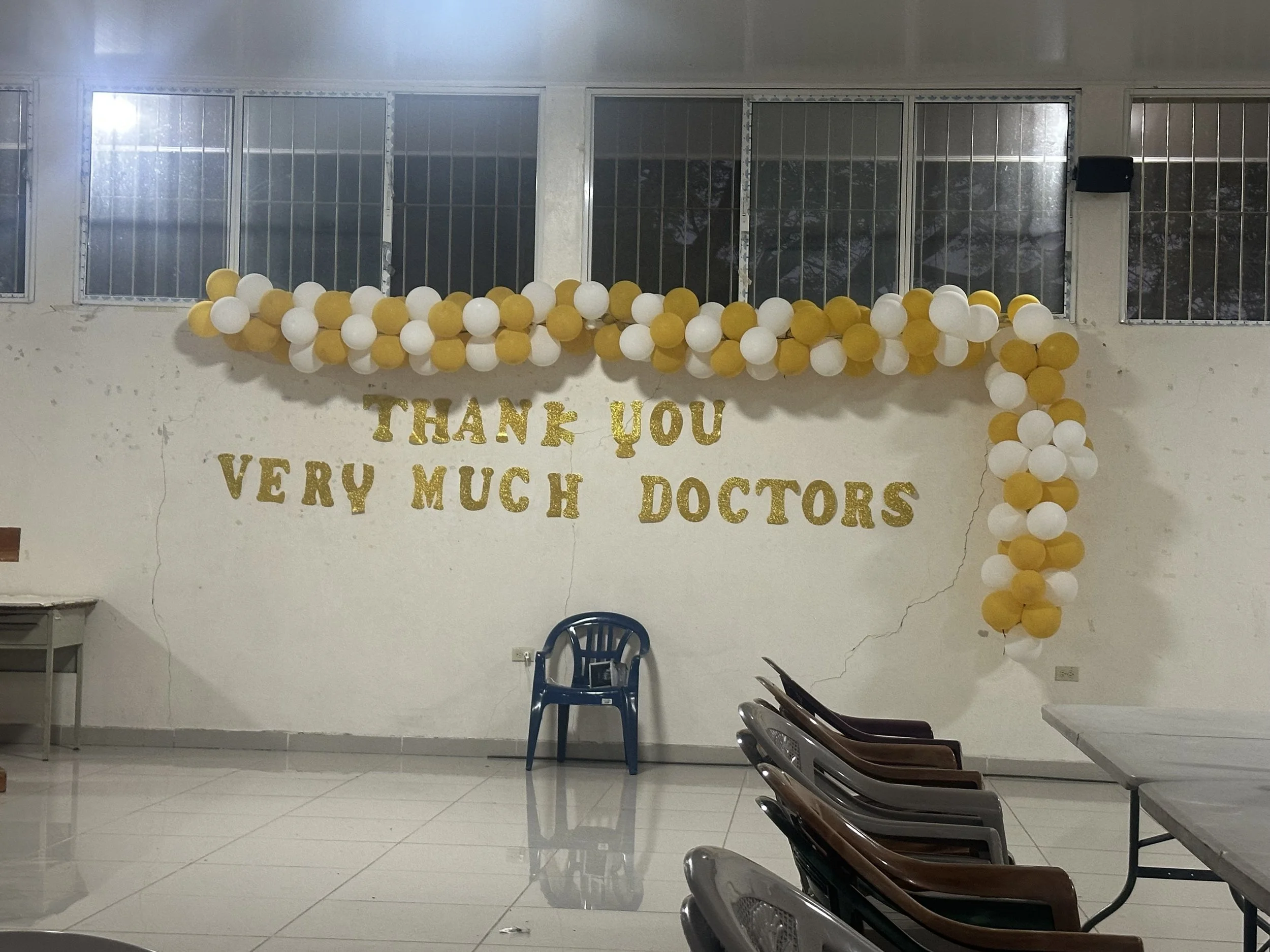
At our closing ceremony later that day - which somehow lasted four hours-the community repeatedly thanked us not only for coming, but for the years of study and sacrifice that allowed us to be there.
Medical training has required a lot of moving, missing things, and waiting for parts of life to feel more permanent. I had actually been talking with a friend about that exact feeling only a few days earlier. Hearing someone describe those same years as a sacrifice that allowed me to be there with them gave me a different way to look at it. It also made me realize how far my training had brought me.
Somewhere in between all of that were daily walks over the two ridiculously steep hills between our hotel and meals - quickly named Mount Doom and Mount Vesuvius - and an afternoon spent floating around the pool on a giant donut.
Underneath all of it, I’ve been surprised by how much this experience has re-centered me.
So much of my interest in medicine and public health began in Nicaragua. Years later, there was something comforting about coming back to a place that felt familiar and realizing how much had changed in between.
Investing in the Future of Family Medicine: NCAFP Student Week in Boone
Investing in the Future of Family Medicine
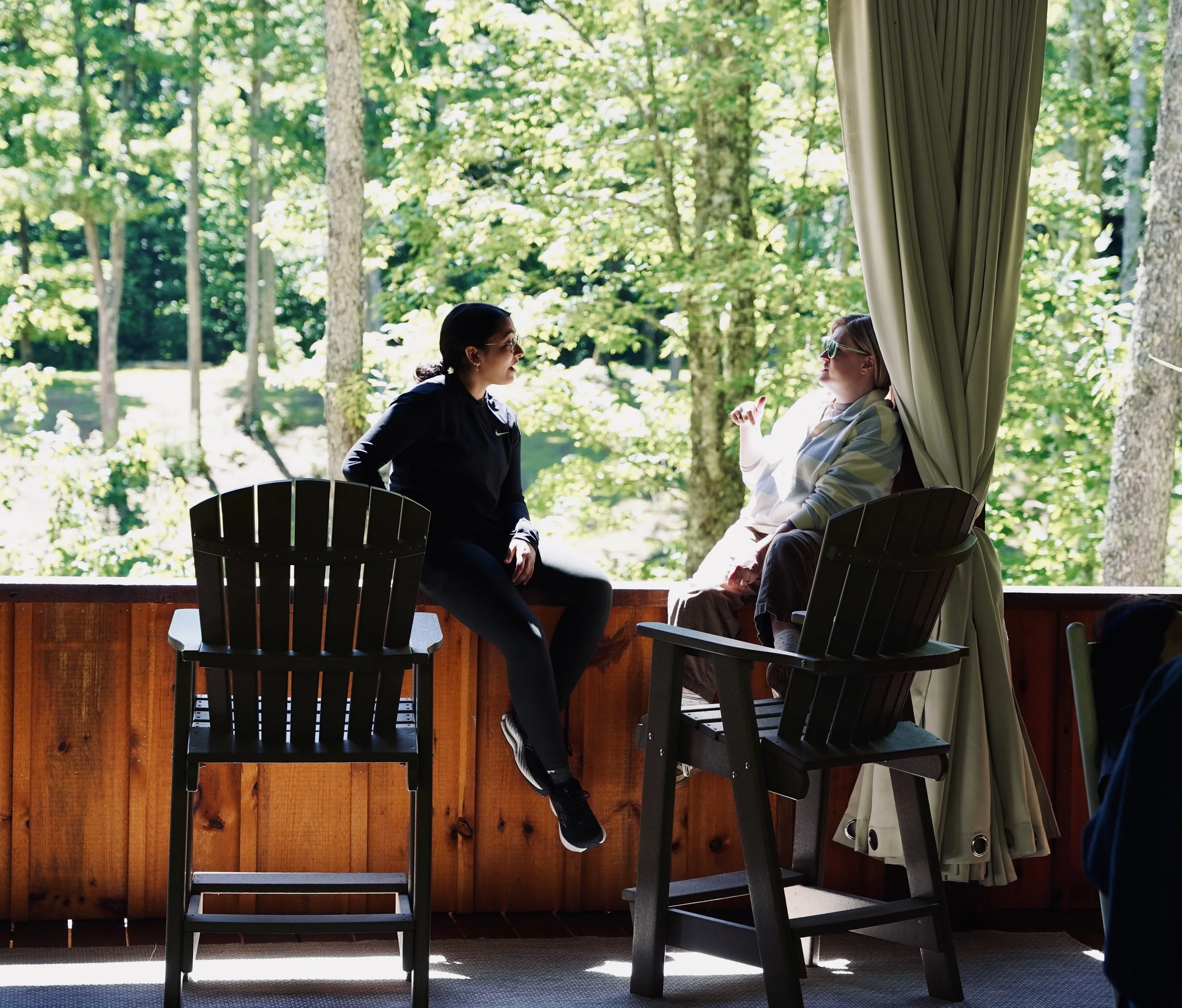
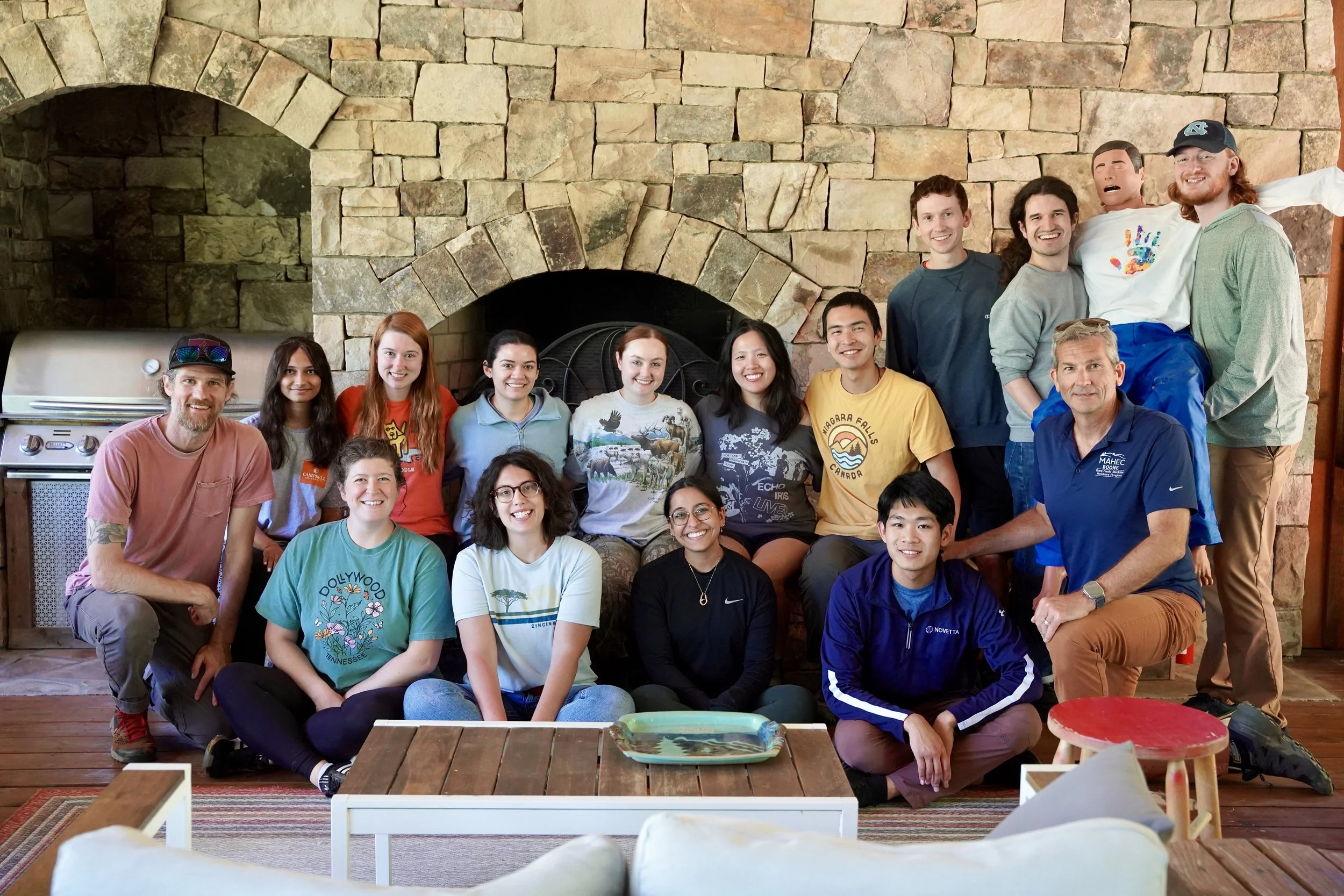
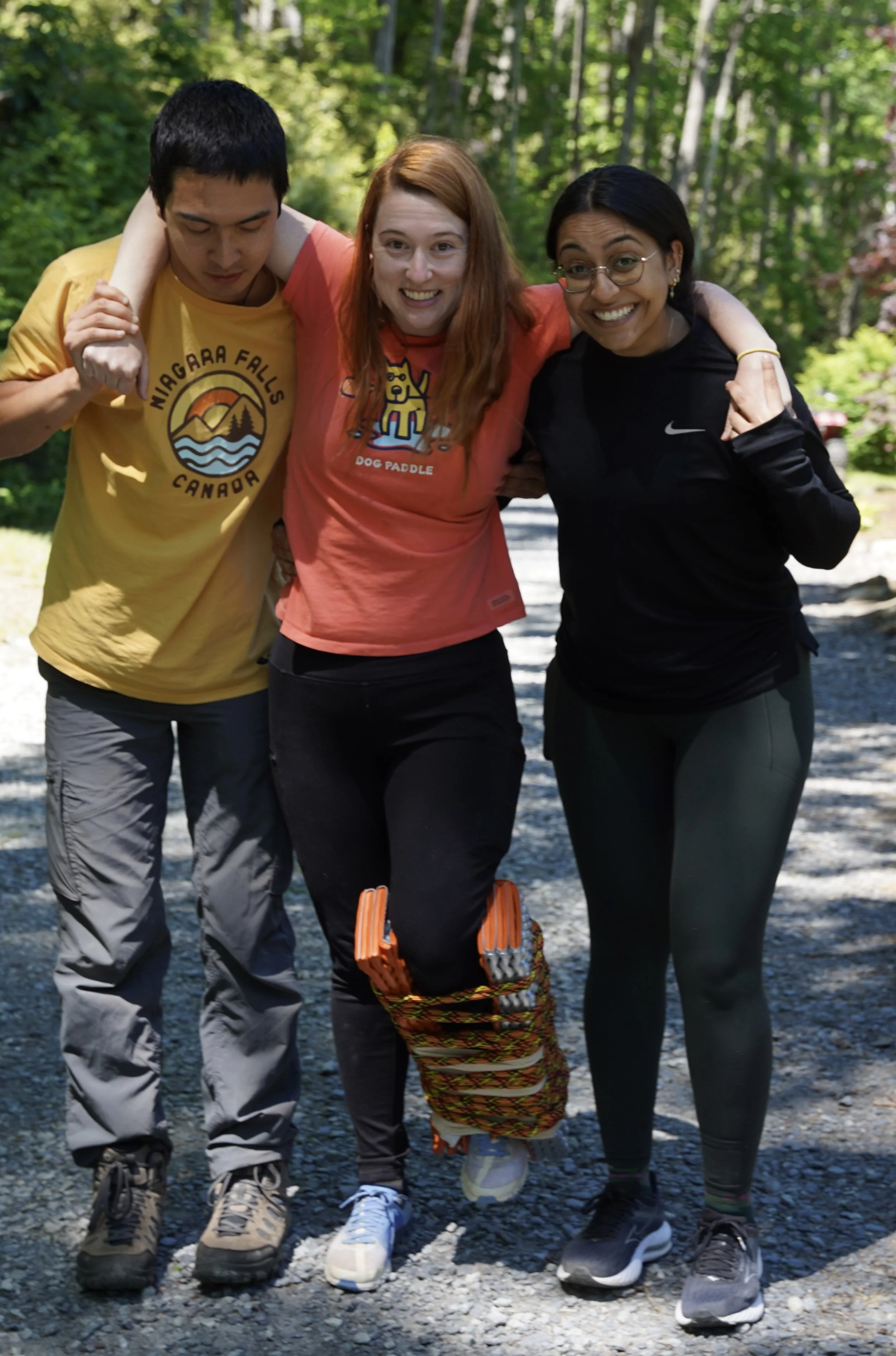
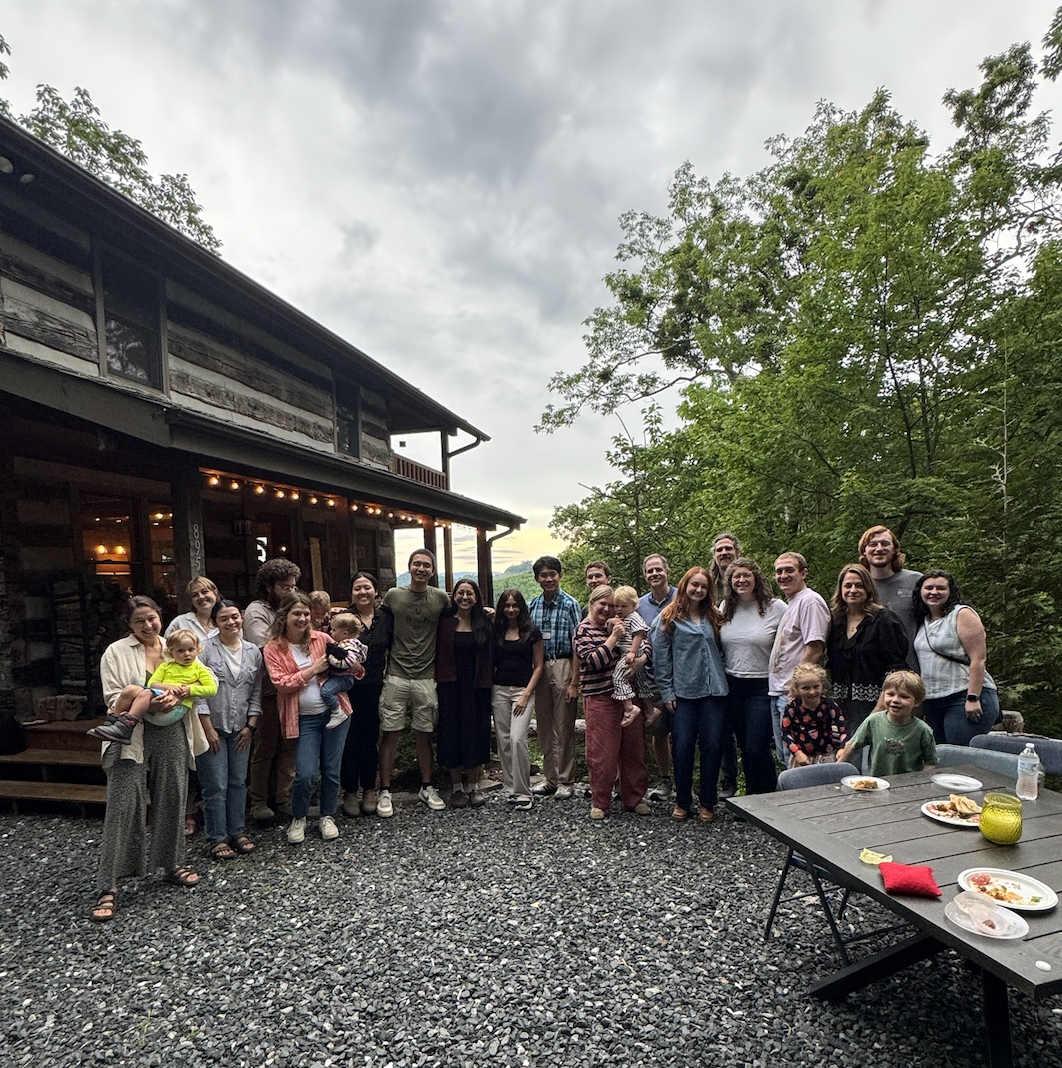
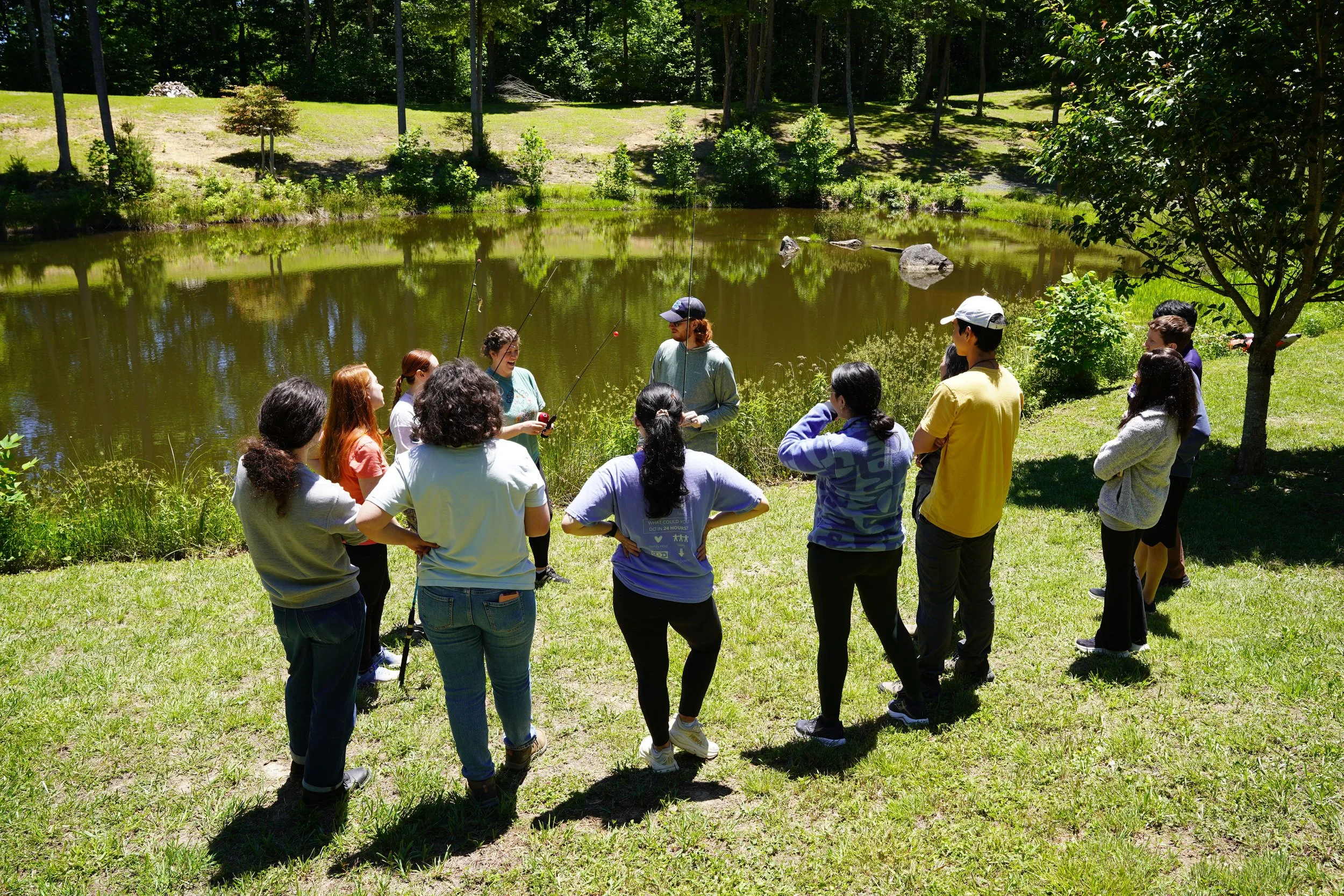
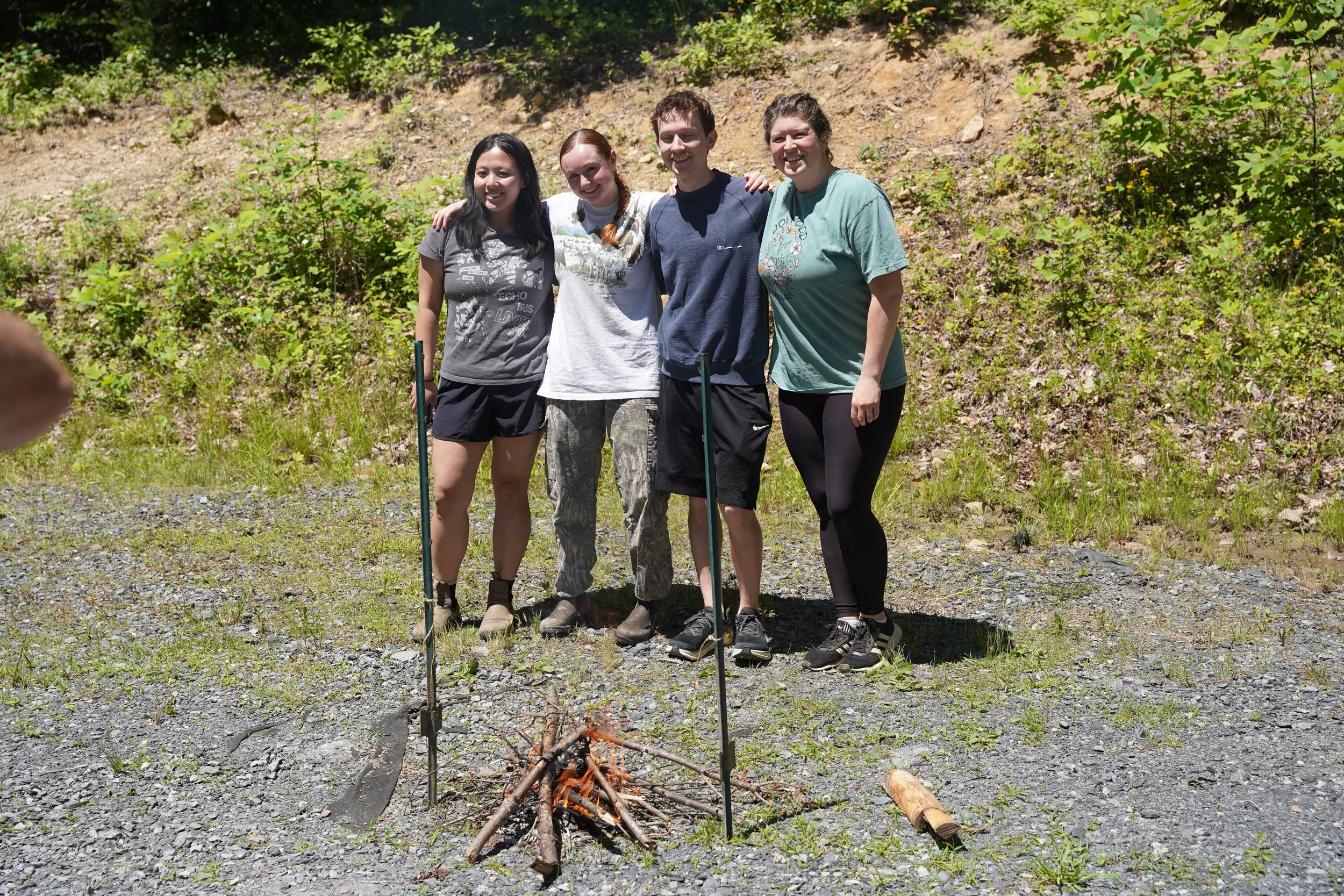
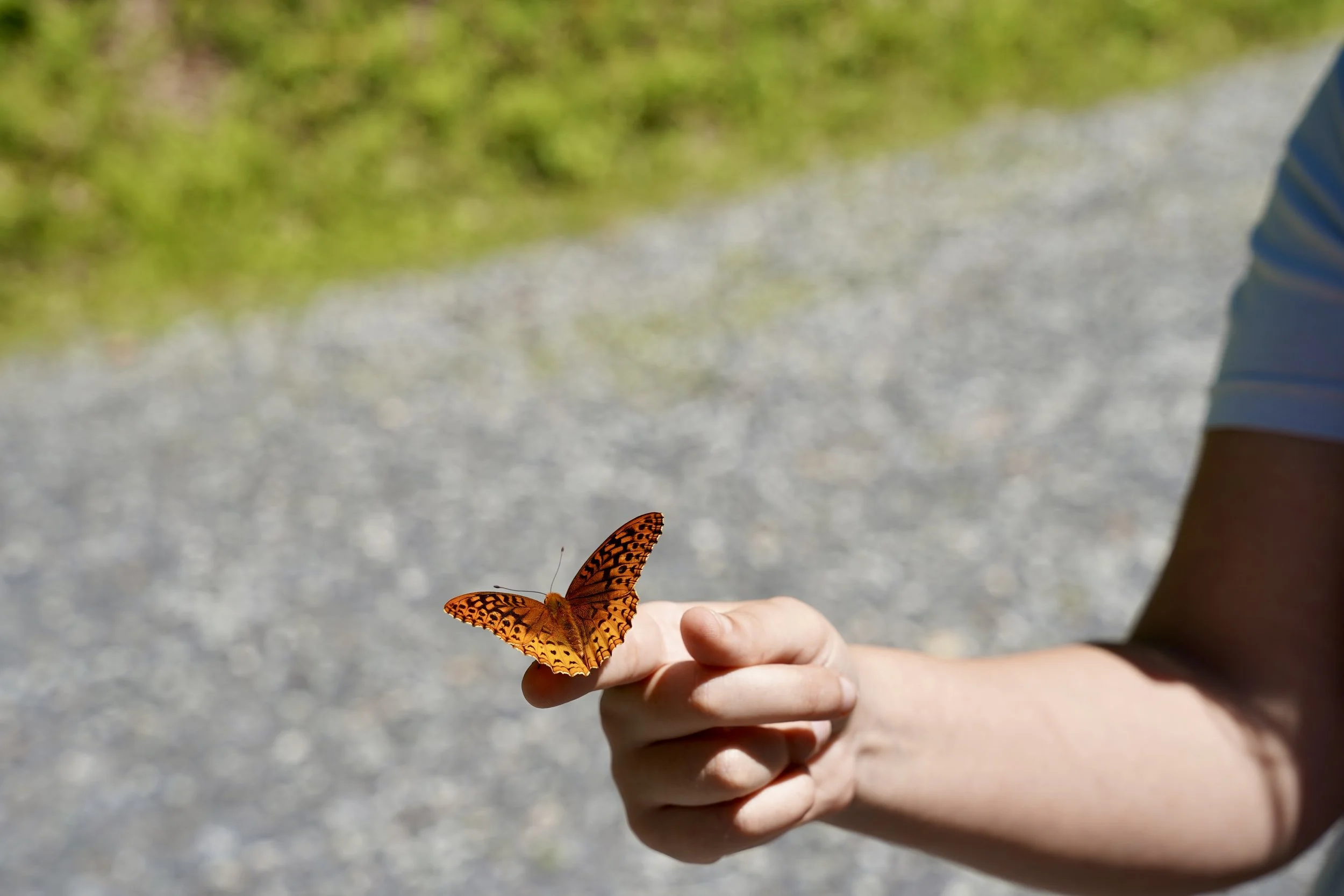
The first week of June 2026, MAHEC Boone had the privilege of hosting medical students from across North Carolina as part of the North Carolina Academy of Family Physicians (NCAFP) Student Week.
Students from medical schools throughout the state—including the Brody School of Medicine at East Carolina University, Duke University School of Medicine, Wake Forest University School of Medicine, and Campbell University's Jerry M. Wallace School of Osteopathic Medicine—joined us in the High Country to learn more about family medicine, rural healthcare, and residency training.
Throughout the week, students experienced firsthand what makes rural family medicine such a rewarding career. They spent time in our continuity clinics, participated in inpatient rounds, engaged with residents and faculty, and explored the unique opportunities available through training in a rural community. They also had the chance to experience the natural beauty and outdoor lifestyle that make Boone such a special place to live and train.
One of the most rewarding aspects of Student Week is the opportunity to connect with those who are passionate about serving their communities. The students learned how family medicine plays a vital role in improving access to healthcare across North Carolina, particularly in rural areas where broad-spectrum training and strong patient relationships are essential.
We are grateful to the NCAFP for their continued commitment to supporting medical students and promoting family medicine throughout the state. Programs like Student Week provide invaluable exposure to the specialty and help inspire the next generation of family physicians.
Thank you to all of the students who spent the week with us. We enjoyed sharing our program, our community, and our passion for rural family medicine. We look forward to following your journeys and hope to welcome you back to Boone in the future.
Interested in learning more about training at MAHEC Boone Rural Family Medicine Residency? Explore our program and discover what makes training in the High Country a unique and rewarding experience.
Match Day 2026!
After a competitive and successful interview season, we are proud to welcome six new faces the MAHEC Boone — Rural Family Medicine Residency. They join a program rooted in a clear mission: to train exceptional family physicians who provide high-quality, compassionate care in rural communities. Their selection reflects not just academic accomplishment, but the grit, curiosity, and the commitment this work requires.
Welcome to MAHEC Boone. See you in July.
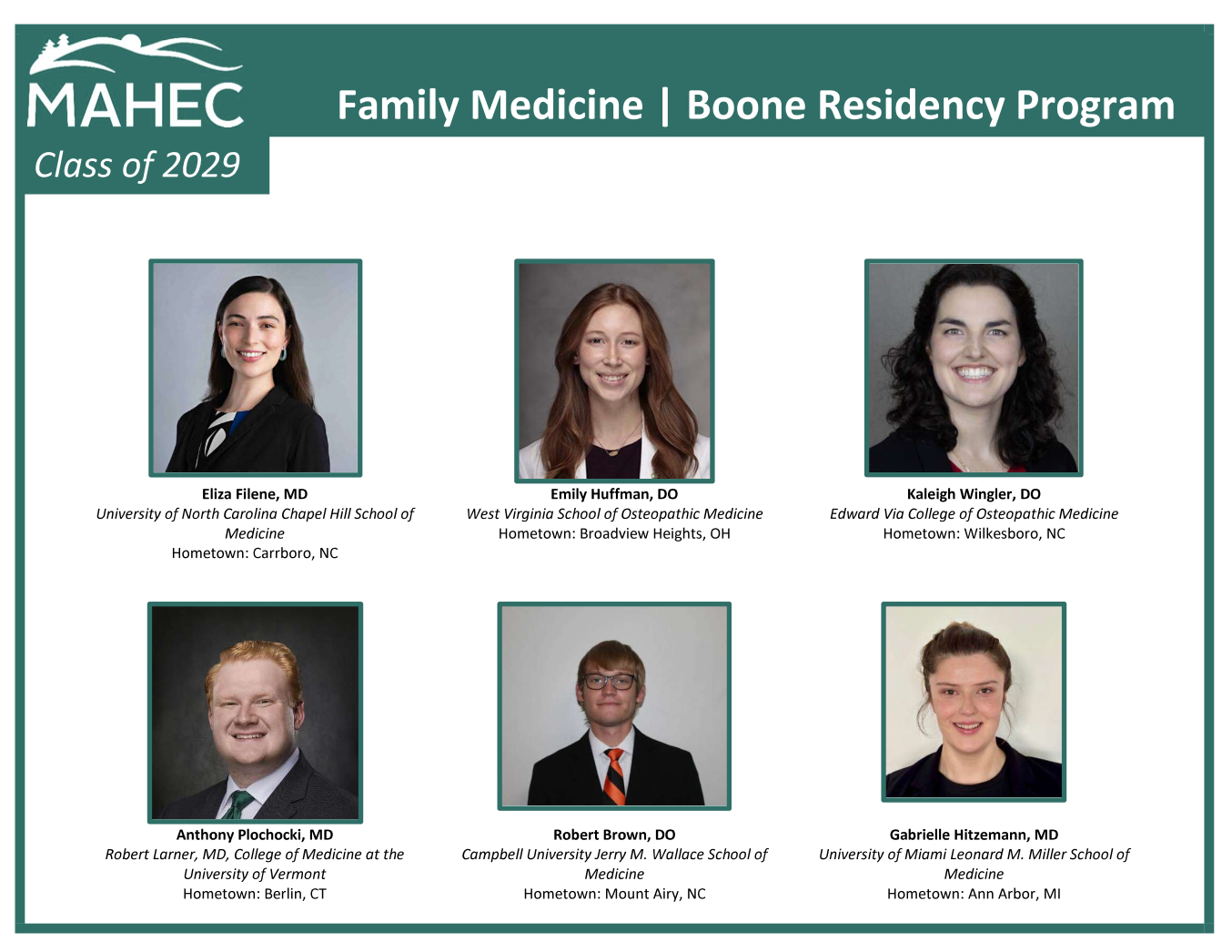
Why Training Rural Matters: From Residency to Community Impact
Choosing where to train is one of the most important decisions a physician will make. It shapes not only clinical skills, but also perspective, confidence, and long-term career direction. Rural training at its core is deeply rooted in community need and the story of Seven Peaks Family Medicine illustrates why rural training matters.
Founded by graduates of the MAHEC Boone Rural Family Medicine Residency (Drs. Knox and Stevens class of 2024, Dr. Karimy class of 2025) Seven Peaks represents the natural extension of practicing where you train. Their practice in West Jefferson, North Carolina, reflects the same values emphasized during residency: comprehensive care, continuity, and a commitment to meeting patients where they are. By choosing to stay in the region where they trained, these physicians are helping address rural workforce shortages while strengthening access to high-quality family medicine in Ashe County. Here at MAHEC Boone we are proud to have been a part of their training and are excited to watch their practice grow and see the lasting impacts in the High Country. Read more here about the Trailblazers of NC 2025.
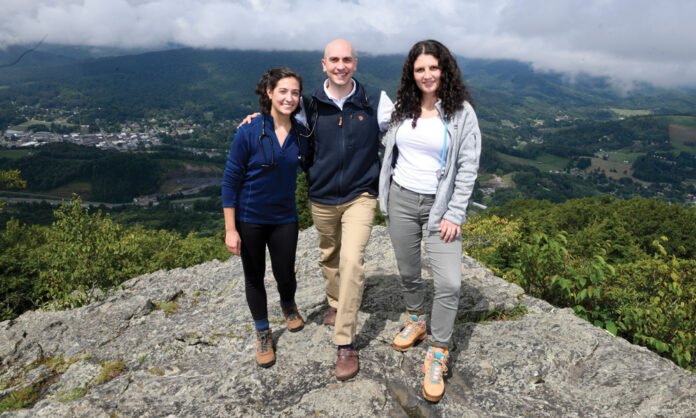
From left (Dr. Knox, Dr. Karimy, Dr. Stevens) graduates of MAHEC Boone Rural Residency
Application Season is Here!
Fall has arrived and we’re thrilled to welcome a new season of applicants to the MAHEC Boone Rural Family Medicine Residency Program!
First and foremost, thank you to everyone who has applied to interview with us. We’re excited to meet each of you — and to share what makes training in the High Country such a special experience.
During your visit, we hope you’ll see why rural training matters — and how it shapes compassionate, capable physicians ready to serve communities everywhere. We also hope you’ll take a little time to enjoy what Boone has to offer: crisp fall hikes, mountain views, local coffee shops, and the welcoming energy that defines our town.
We’re also excited to share our brand-new website, built to give you an inside look at who we are — from the incredible training opportunities across our clinics and hospitals to the residents and faculty who make this program feel like family.
We can’t wait to meet you and show you firsthand why Boone is such a great place to learn, live, and grow as a family physician.
Warmly,
The MAHEC Boone Family Medicine Residents and Faculty
